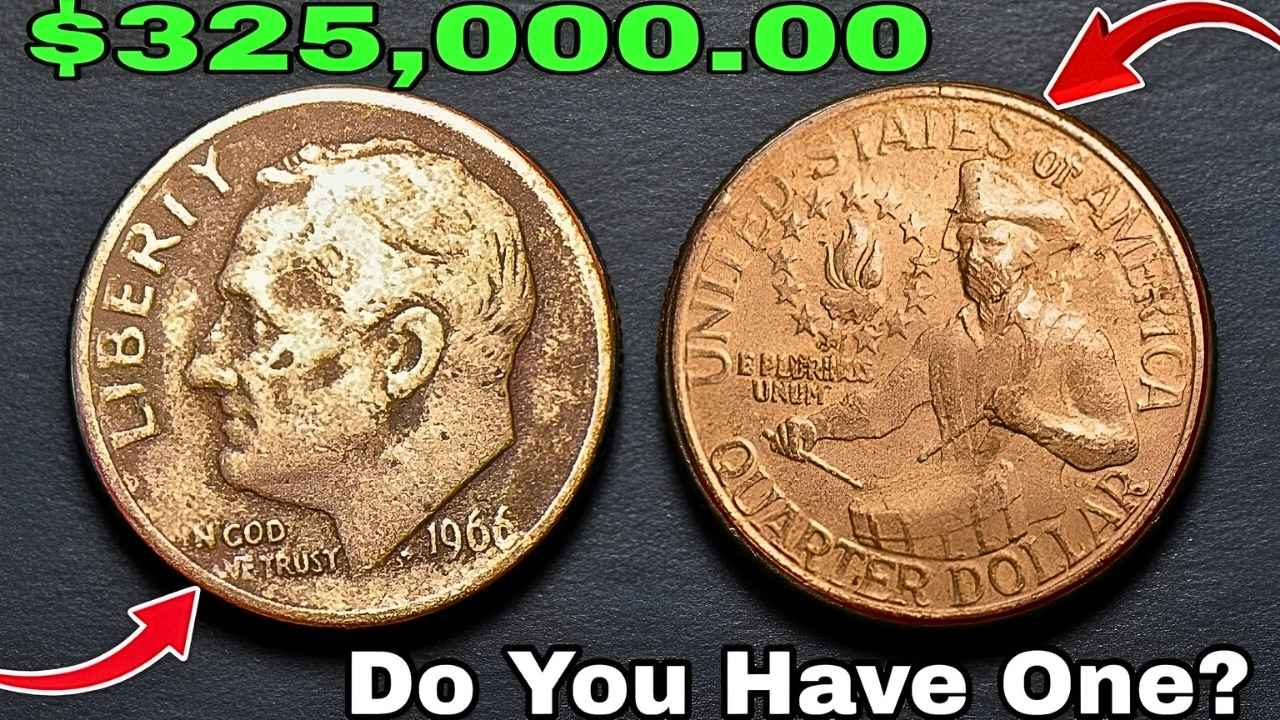
9 Rare Dimes & Bicentennial Quarters Worth $655 Million: Coin collecting has always been a blend of history, art, and treasure hunting. Every coin tells a story, and some tell stories worth millions. Among the most talked-about collectibles are rare dimes and Bicentennial Quarters. While most coins are worth only their face value, certain rare varieties have stunned collectors with valuations reaching hundreds of millions. The idea that a small piece of change could be worth a fortune continues to inspire both seasoned numismatists and casual hobbyists.
The $655 Million Coin Collection Story
Reports of rare dimes and Bicentennial Quarters collectively valued at $655 million have captured the imagination of collectors worldwide. These coins are not ordinary pocket change but extraordinary specimens with unique characteristics, minting errors, or historical significance. Their rarity and condition make them treasures that can transform a simple coin collection into a life-changing investment. While not every dime or quarter is worth millions, knowing which ones to look for can make all the difference.
Why Some Dimes Are Worth Millions
Dimes are among the most commonly circulated coins in the United States, yet certain issues stand out as rare gems. Their value is determined by several factors:
- Year of Minting: Early dimes, especially those from the 19th century, can be extremely rare.
- Mint Marks: Coins struck at specific mints, such as Carson City or San Francisco, may have lower mintages.
- Condition: Uncirculated or proof dimes are worth far more than circulated ones.
- Errors and Varieties: Doubled dies, off-center strikes, and missing details can make a dime exceptionally valuable.
Notable Rare Dimes
Collectors dream of finding these rare dimes:
- 1894-S Barber Dime: One of the most famous rarities, with only 24 minted. Valued at millions.
- 1916-D Mercury Dime: A key date coin with limited mintage, highly sought after by collectors.
- 1942/41 Mercury Dime Overdate: An error coin where the date was struck twice, creating a rare variety.
- 1874-CC Seated Liberty Dime: Scarce due to low mintage at the Carson City Mint.
- 1822 Capped Bust Dime: Extremely rare and valuable in high grades.
These examples illustrate how rarity and condition can elevate a dime’s value far beyond its face value.
The Bicentennial Quarter Phenomenon
The Bicentennial Quarter was introduced in 1975 and 1976 to celebrate America’s 200th anniversary. Featuring a colonial drummer on the reverse, it quickly became a collector favorite. Millions were minted, but certain rare varieties and special issues have achieved legendary status. In recent years, stories of Bicentennial Quarters worth millions have reignited interest in these coins, especially as the nation approaches its 250th anniversary.

Why Bicentennial Quarters Can Be Valuable
Most Bicentennial Quarters are worth only face value, but some rare examples stand out:
- Silver Issues: Special collector versions were struck in 40 percent silver.
- Proof Coins: Produced with mirror-like finishes, proof quarters are more valuable.
- High-Grade Examples: Coins graded MS67 or higher are rare and command strong prices.
- Error Varieties: Doubled dies, off-center strikes, or coins struck on the wrong planchet can be worth thousands.
Notable Rare Bicentennial Quarters
Collectors should be aware of these standout coins:

- 1976-S Silver Proof Bicentennial Quarter: Struck in 40 percent silver, highly prized by collectors.
- 1976-S Silver Uncirculated Bicentennial Quarter: Another silver issue valued for its scarcity.
- 1976-D Bicentennial Quarter in High Grade: Rare in pristine condition, worth thousands.
- 1976 No Mint Mark Prooflike Bicentennial Quarter: Scarce examples with mirror-like surfaces are highly collectible.
- Error Varieties: Coins with doubled dies or struck on silver planchets instead of clad are extremely valuable.
How to Spot Rare Dimes and Quarters
Identifying valuable coins requires careful examination. Collectors should:
- Check the Date: Key dates often indicate rarity.
- Look for Mint Marks: Found near the date, mint marks can signal scarcity.
- Examine the Condition: Coins with sharp details and minimal wear are more valuable.
- Identify Errors: Doubling, off-center strikes, or missing details can add significant value.
- Seek Professional Grading: Submitting coins to grading services can confirm authenticity and condition.
The Role of Silver in Rare Coins
Silver content adds intrinsic value to coins. Dimes and quarters minted before 1965 contain 90 percent silver, making them worth more than face value. Bicentennial Quarters struck in silver are especially desirable. As silver prices fluctuate, the value of these coins can rise or fall, but their rarity ensures lasting demand.

Collecting as an Investment
Coin collecting is more than just a hobby. For many, it is a form of investment. Rare dimes and Bicentennial Quarters appreciate over time, especially when supply is limited and demand is strong. The $655 million valuation of certain rare coins demonstrates the potential of numismatics. Collectors who carefully study mintages, conditions, and historical context can build collections that grow in value.
Risks and Challenges
While the allure of valuable coins is strong, collectors should be cautious:

- Counterfeits: Rare coins are often targeted by counterfeiters.
- Market Fluctuations: Values can rise and fall depending on silver prices and collector demand.
- Overgrading: Sellers may exaggerate a coin’s condition to inflate its price.
Careful research and reliance on trusted grading services can help mitigate these risks.
The Thrill of Discovery
One of the most exciting aspects of coin collecting is the possibility of finding a rare treasure in ordinary places. Dimes and Bicentennial Quarters still appear in circulation, though less frequently. Searching through rolls of coins from banks or inherited collections can yield surprising discoveries. The idea that a coin worth millions could be hiding in plain sight adds to the thrill of the hobby.

Tips for Beginners
For those new to coin collecting, dimes and Bicentennial Quarters are an excellent starting point. They are widely available, affordable, and historically significant. Beginners should start by learning to recognize key dates, mint marks, and conditions. Building a basic collection can be both educational and enjoyable. Over time, collectors can expand their knowledge and pursue rarer varieties.
Conclusion
Rare dimes and Bicentennial Quarters are more than just coins. They are pieces of history, symbols of artistry, and in rare cases, treasures worth millions. The story of coins collectively valued at $655 million highlights the incredible potential of numismatics. By learning to identify valuable coins, collectors can turn a simple hobby into a rewarding pursuit. Whether you are drawn to the historical significance, the artistry, or the investment potential, rare dimes and Bicentennial Quarters offer a fascinating journey into the world of coin collecting.