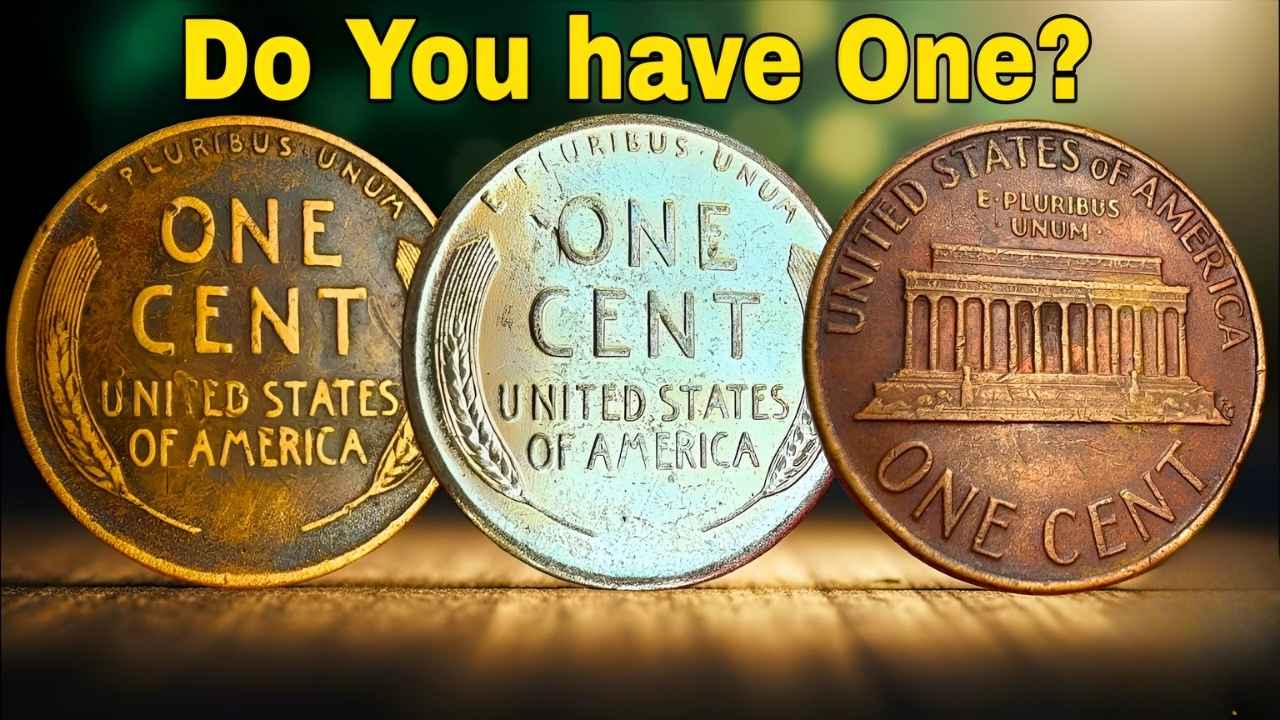
Lincoln Wheat Penny Worth $576,000: The Lincoln Wheat penny is one of the most iconic coins in American numismatics. First minted in 1909, it was created to honor the centennial of Abraham Lincoln’s birth and became the first United States coin to feature a real historical figure. Designed by Victor David Brenner, the coin’s obverse displays a dignified portrait of Lincoln, while the reverse features two wheat stalks framing the words “One Cent.” Over the decades, the Wheat penny has become a cornerstone of coin collecting, with certain rare examples commanding extraordinary values. Among these is a Lincoln Wheat penny that has sold for as much as $576,000, making it a dream find for collectors.
The Origins of the Wheat Penny
The introduction of the Wheat penny marked a turning point in American coinage. Prior to 1909, U.S. coins typically featured allegorical figures rather than real people. President Theodore Roosevelt wanted to modernize coin designs and honor Lincoln’s legacy. Brenner’s design was chosen for its simplicity and symbolism. The wheat stalks represented prosperity and growth, reflecting the agricultural foundation of the nation. The coin was struck in bronze, composed primarily of copper with small amounts of tin and zinc. From 1909 until 1958, the Wheat penny remained in circulation, after which it was replaced by the Lincoln Memorial design.
Why Some Wheat Pennies Are Valuable
Most Wheat pennies are worth only a few cents, but certain factors can elevate their value dramatically. Rarity is the most important, as coins with low mintage numbers or unique varieties are harder to find. Minting errors, such as double dies or missing mint marks, can also make a penny valuable. Condition plays a major role, with coins graded at Mint State levels commanding premium prices. Finally, historical significance and collector demand contribute to the value of Wheat pennies, making them highly sought after in the numismatic market.
The Famous $576,000 Lincoln Wheat Penny
One of the most extraordinary Wheat pennies is the 1943 copper penny. During World War II, copper was needed for the war effort, so pennies were struck in steel coated with zinc. However, a small number of copper planchets were mistakenly used, creating one of the rarest error coins in U.S. history. The 1943 copper penny has sold for hundreds of thousands of dollars at auction, with some examples reaching $576,000 or more. This coin represents the pinnacle of Wheat penny collecting and remains a dream find for numismatists.
Key Dates and Varieties
Several Wheat pennies stand out as particularly valuable. The 1909-S VDB penny is one of the most famous, with only 484,000 minted. The 1914-D penny is another key rarity, especially in high grades. The 1922 “No D” penny, struck in Denver without a visible mint mark, is a legendary error coin. The 1955 double die penny is prized for its dramatic doubling on the obverse. Each of these coins represents a unique chapter in the history of the Wheat penny and adds to its mystique.
Lincoln Wheat Penny Value Chart
Here is a general guide to the value of some of the most notable Wheat pennies. Values vary depending on condition, but this chart provides a useful overview.
| Year | Mint Mark | Notable Feature | Approximate Value |
|---|---|---|---|
| 1909 | S VDB | Low mintage, designer initials | $700 to $15,000 |
| 1914 | D | Rare in high grade | $150 to $5,000 |
| 1922 | No D | Mint error, missing mark | $500 to $12,000 |
| 1931 | S | Low mintage | $75 to $1,000 |
| 1943 | Copper | Error coin, wrong planchet | $100,000 to $576,000+ |
| 1955 | None | Double die obverse | $1,000 to $15,000 |
How to Identify Rare Wheat Pennies
Collectors should carefully examine their coins for signs of rarity or errors. Mint marks are important, as they indicate where the coin was struck. Doubling can be identified by examining the lettering and numbers for signs of duplication. The 1943 copper penny can be distinguished from the steel version by its color and weight. Steel pennies are magnetic, while copper pennies are not. Using a magnifying glass or coin loupe can help reveal details. Knowledge and attention to detail are essential for identifying rare Wheat pennies.
Collecting Wheat Pennies
For new collectors, Wheat pennies offer an accessible and rewarding entry point into coin collecting. They are relatively affordable and widely available, yet they carry historical significance and the potential for rare discoveries. Many collectors begin by searching through rolls of pennies from banks or coin dealers, hoping to uncover hidden treasures. Albums and holders can help organize a collection by year and mint mark, creating a visual timeline of the Wheat penny’s history. Over time, a simple collection can grow into a valuable and meaningful set.

Grading and Condition
Condition plays a crucial role in determining the value of Wheat pennies. Coins are graded on a scale from Poor to Mint State, with higher grades commanding premium prices. A penny in Mint State 65 or higher is considered gem quality and can be worth significantly more than the same coin in circulated condition. Collectors should learn to recognize signs of wear, scratches, and discoloration, as these factors influence value. Professional grading services provide certification that adds credibility and marketability to rare coins.
The Thrill of Hidden Treasures
One of the most exciting aspects of coin collecting is the possibility of finding hidden treasures in everyday change. Stories of rare Wheat pennies worth thousands or even hundreds of thousands of dollars fuel the imagination of collectors. While the odds of finding such a coin are slim, the thrill of discovery keeps people searching. Every coin has a story, and sometimes that story can lead to unexpected value. The Wheat penny embodies this sense of adventure, reminding us that history and treasure can be found in the palm of our hand.
The Market for Wheat Pennies
The market for Wheat pennies remains strong, with collectors around the world seeking rare examples. Auction houses regularly feature high grade Wheat pennies, and online marketplaces provide access to coins at all price levels. Prices fluctuate based on demand, rarity, and condition, but the Wheat penny continues to be one of the most collected coins in the United States. For many collectors, the appeal lies not only in potential value but also in the historical significance of the coin.
Conclusion
The Lincoln Wheat penny is more than just a piece of currency. It is a symbol of American history, a tribute to Abraham Lincoln, and a cornerstone of numismatics. From common circulation strikes to rare error coins worth hundreds of thousands of dollars, the Wheat penny offers endless opportunities for discovery. Whether you are a beginner searching through pocket change or an experienced collector hunting for rare varieties, the Wheat penny provides a rewarding journey. Understanding the history, key varieties, and values is the first step toward uncovering hidden coin treasures and appreciating the legacy of a coin that continues to shape America’s numismatic story.